When calculating incremental costs related to investing in new equipment, businesses should also consider any potential revenue or savings that may result from the investment. For example, purchasing more efficient equipment may result in lower energy bills or increased productivity leading to higher profits. Incremental cost, often referred to as “marginal cost,” represents the change in total cost resulting from producing one additional unit of a product or service. It’s the cost incurred beyond the incremental cost meaning status quo—a shift from the familiar to the slightly altered.
Terms
Now, let’s say you are considering expanding your production capacity for maximum raw materials, labor, and location utilization. As healthcare costs continue to rise and the demand for new and innovative treatments increases, the role of ICER in HEOR becomes increasingly vital. At its core, HEOR evaluates the value of healthcare services ledger account and interventions, aiming to understand their impact on patient outcomes and healthcare costs.

Incremental Cost vs Marginal Cost
When it comes to decision making and cost-benefit analysis, understanding the concept of incremental cost is crucial. Incremental cost refers to the change in total cost that occurs as a result of producing or consuming one additional unit of a good or service. It helps businesses and individuals make informed choices by considering the additional costs incurred and the potential benefits gained. Understanding the concept of incremental manufacturing cost is essential for businesses aiming to optimize production efficiency and profitability. This financial metric helps companies determine the additional costs incurred when increasing production levels, providing insights into operational decision-making. Accurately calculating these costs supports pricing strategies, budgeting, and evaluating potential investments or expansions.

Examples of Incremental Costs

Allocating variable overhead costs, such as utilities or maintenance, often involves shared resources, requiring systematic approaches like activity-based costing. Non-linear cost behavior, such as economies or diseconomies of scale, further complicates calculations. If no excess capacity is present, additional expenses to consider include investment in new fixed assets, overtime labor costs, and the opportunity cost of lost sales. It provides valuable insight into decisions like whether producing additional units is profitable or should be stopped. Both incremental cost and marginal cost deal with additional costs that are involved in making additional products or providing additional services. However, there is a slight difference between marginal cost and incremental cost.
Incremental cost refers to the change in total cost resulting from a specific decision or action. It helps businesses and individuals evaluate the financial impact of their choices. Let’s say, as an example, that a company is considering increasing its production of goods but needs to understand the incremental costs involved. Below are the current production levels, as well as the added costs of the additional units. Since incremental costs are the costs of manufacturing one more unit, the costs would not be incurred if production didn’t increase.
- Besides, in the long where firm expands its production hires more manpower, material, machine and equipment, the expenditure incurred on these factors are the incremental cost and not the marginal cost.
- The base case is your existing or normal volume level before any proposed volume increase.
- Businesses must balance short-term cash flow needs with long-term growth objectives to ensure liquidity remains sufficient for operational expenses.
- Combining it with other decision tools and considering a holistic view ensures better-informed choices.
- These costs are not fixed and can vary depending on the volume of additional activity.
- Understanding incremental costs is crucial for businesses as they navigate the complexities of financial decision-making.
- The two calculations for incremental revenue and incremental cost are thus essential to determine the company’s profitability when production output is expanded.
What Is a Net Lease? Types, Payment Terms, and Responsibilities

By knowing how costs will change as production volume changes, a company can make more informed decisions. Operations managers, on the other hand, look at incremental costs to assess the efficiency of production processes. They provide valuable information for decision-making across various departments within a company. By carefully analyzing and managing incremental costs, businesses can optimize their production, pricing, and overall financial health. Understanding this relationship is essential for sustaining competitive advantage and achieving long-term success. A software development company is deciding whether to invest in upgrading their existing infrastructure.
- Incremental cost is the extra cost a company faces when making more of its product or service.
- Some ventures waste time and resources, and calculating the incremental cost versus projected sales at a particular volume avoids that.
- In this type of pricing, the selling price of a product is determined by the variable cost, and not kept according to the overall cost of creating the product.
- Incremental reasoning does not mean that the firm should accept all orders at prices, which cover merely their incremental costs.
ICER and the Patient Perspective
- For example, manufacturing an additional 500 units increases the cost of raw materials like aluminum or fabric.
- This concept is crucial for businesses when making decisions about scaling up production, launching a new product line, or changing a business process.
- Unlike fixed costs, which remain constant regardless of output, variable costs fluctuate as production volume varies.
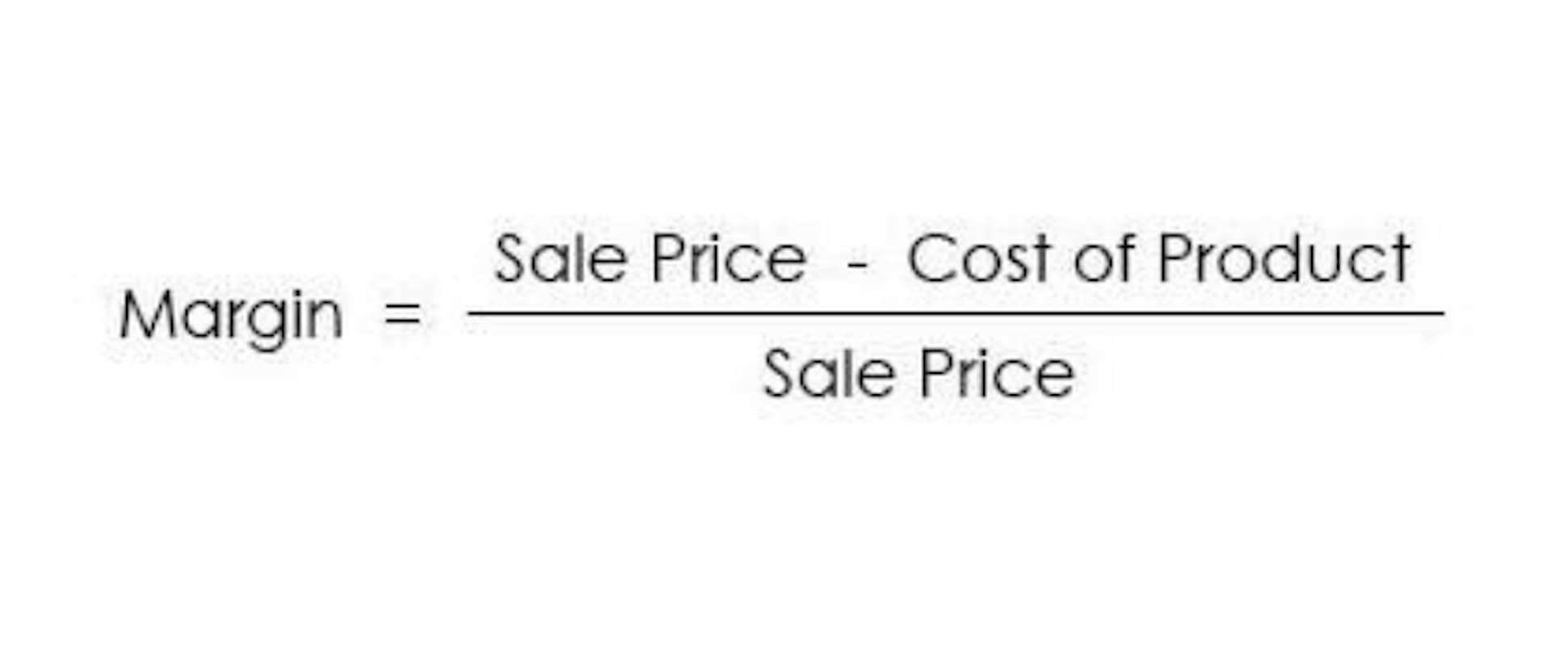
- If the firm charges a higher rate for the additional project than the average hourly rate, the incremental cost can lead to an increase in average profit margins.
- They provide a granular view of the financial implications of business decisions and enable companies to adapt their strategies to changing market conditions and internal dynamics.
This concept of incremental cost of capital is useful while identifying costs that are to be minimized or controlled and also the level of production that can generate revenue more than return. The moment one extra unit produced does not generate the required return, the business needs to modify its production process. The term incremental cost refers to the cost that the gym bookkeeping business incurs for producing an extra unit.